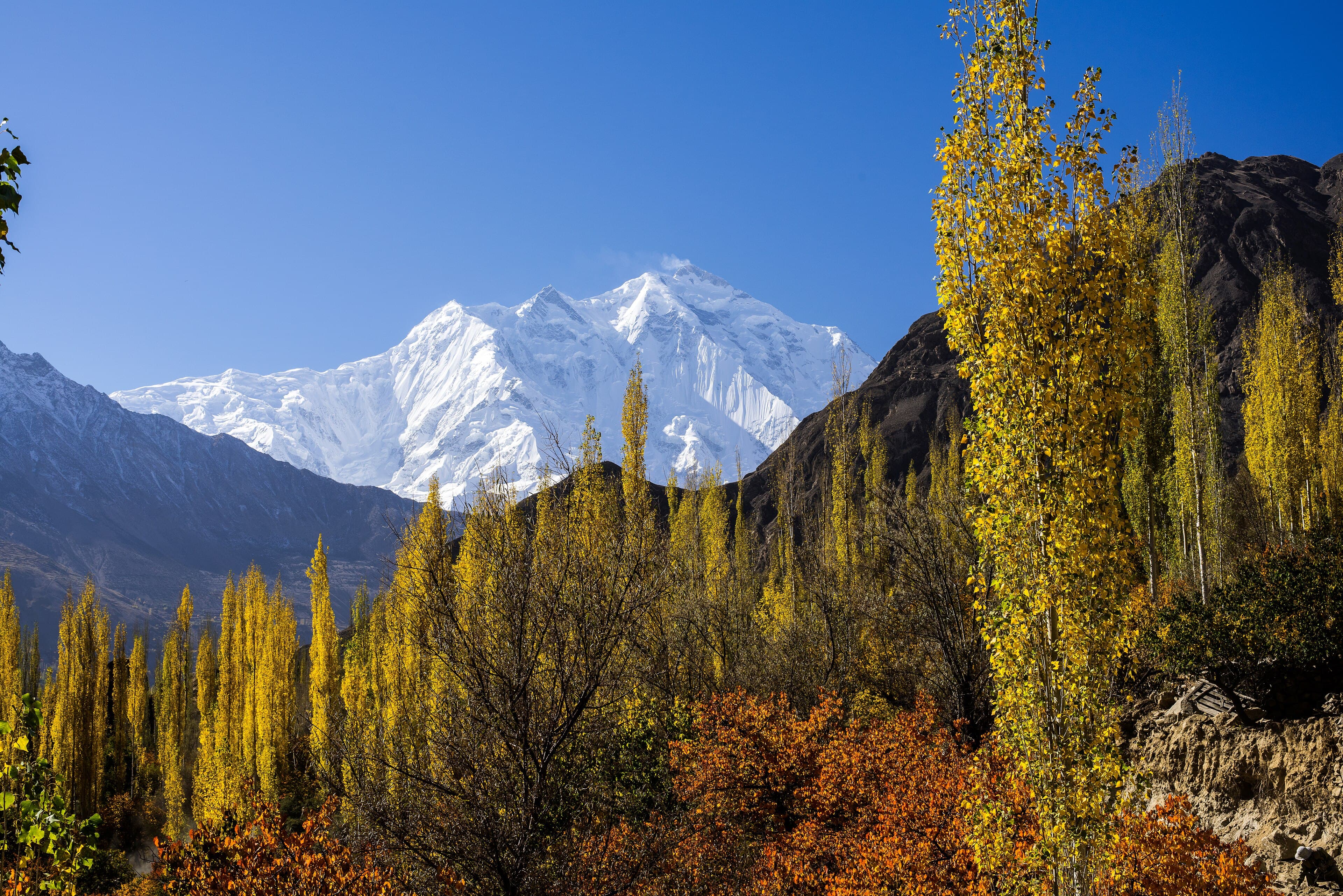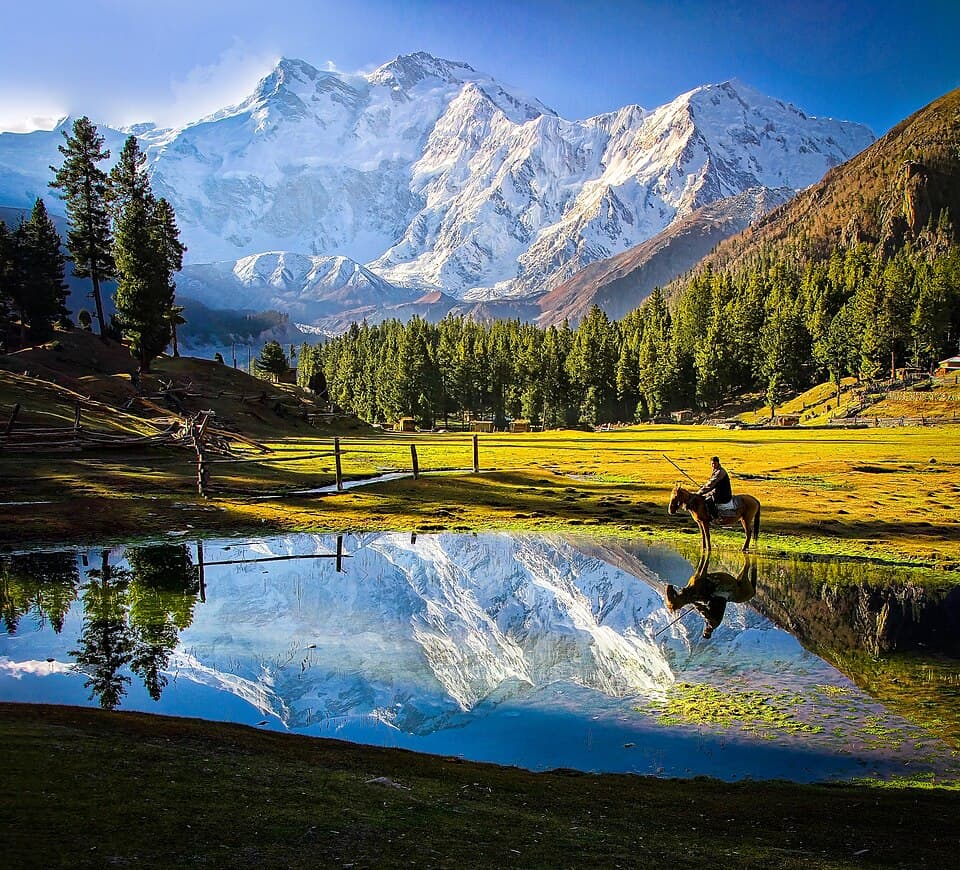
There are mornings in Skardu when the Indus runs slow and pewter-coloured through the valley, the dunes still hold the night's chill, and the Karakoram stands behind it all like something half-imagined. This is the heart of Baltistan: a broad, light-filled valley that happens to be the doorstep to some of the highest mountains on earth. For travellers, it is one of those rare places that rewards both the soft hours by a lakeside and the hard miles of a great trek.
Why Skardu
Skardu is the main town of Baltistan, set in a wide valley on the Indus River. What makes it special is its dual nature. On one hand, it is gentle and liveable — orchards, poplar lines, quiet lakes, terraced fields. On the other, it is the gateway to the great Karakoram peaks, including K2, the second-highest mountain on the planet. Few towns in the world let you sip tea by still water in the afternoon and know that, a few days' walk away, expedition teams are roping up beneath the world's most formidable summits.
For our guests, Skardu also works beautifully as a base. It is the launch point for two of Gilgit-Baltistan's most coveted journeys — the high plateau of Deosai and the trek to K2 Base Camp via Concordia — while offering enough close-at-hand beauty to fill several unhurried days on its own.
How to get there
There are two ways into Baltistan, and it pays to understand the trade-offs.
The Islamabad–Skardu flight is one of the most scenic short flights anywhere, threading between snow peaks before dropping into the valley. The honest caveat: it is weather-dependent and frequently delayed or cancelled. Mountains make their own conditions, and a clear morning in Islamabad does not guarantee a clear approach over Skardu. If you fly, build in buffer days at both ends of your trip so a grounded flight does not unravel everything that follows.
The overland route runs via the Karakoram Highway and the Skardu road. It is longer, but it is also part of the experience — the river gorges, the changing rock, the slow reveal of bigger and bigger mountains. We often plan road travel deliberately, not just as a fallback, because the journey itself is some of the best sightseeing you will do.
In practice, many of our itineraries combine the two: fly when the weather cooperates, drive when it does not, and keep the schedule flexible enough that neither outcome spoils the trip.
Top things to see
Skardu's surroundings pack remarkable variety into a small radius. A few highlights to anchor your days:
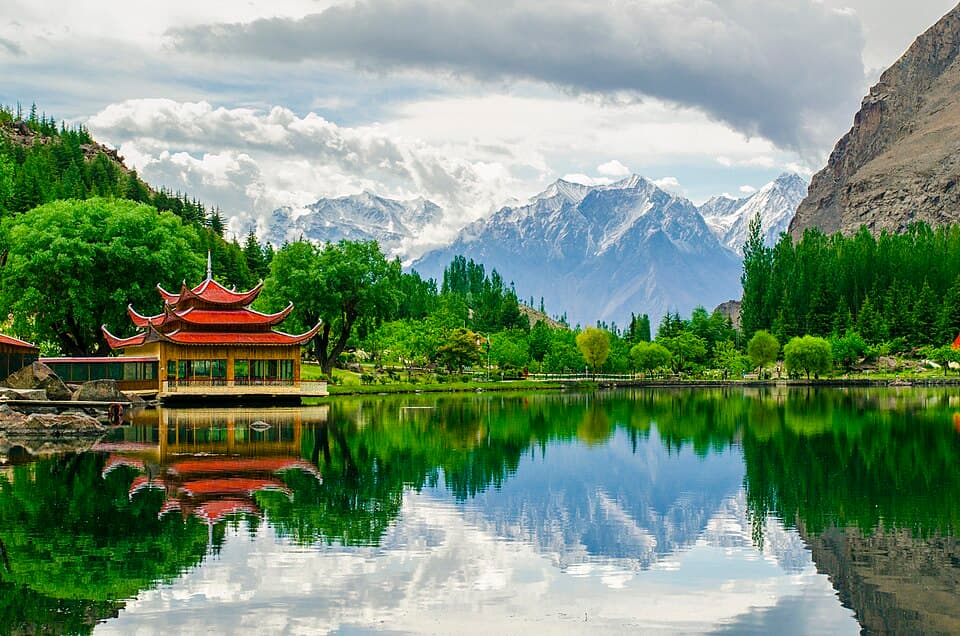
- Shangrila Resort at Lower Kachura Lake — the postcard image of Skardu, a serene lake framed by hills, with the nearby Upper Kachura Lake a short walk or drive away for quieter water.
- Katpana Cold Desert — a high-altitude cold desert with sand dunes, best in the soft light of early morning or late afternoon. Dunes and snow peaks in one frame is a particularly Baltistan kind of strange and lovely.
- Kharpocho Fort — perched above the town, with sweeping views over the valley and the Indus below.
- Manthal Buddha Rock — a carved rock relief and a quiet reminder of the region's deep, layered history along old trans-Himalayan routes.
- Shigar Fort and Khaplu Fort — two beautifully restored heritage forts in the side valleys, now run as Serena heritage hotels, where you can stay or simply visit to feel the texture of old Baltistan.
You can see the lakes, the desert and a fort comfortably in two or three relaxed days. Adding the Shigar and Khaplu valleys is well worth an extra day each — they are gentler, greener, and rich in living heritage.
The gateway to Deosai and K2
This is where Skardu earns its reputation. Both of Gilgit-Baltistan's headline adventures are reached from here.
Deosai National Park — the "land of giants" — is a vast high plateau of wildflowers, streams and big skies, home to the Himalayan brown bear. It is among the highest plateaus in the world and feels like nowhere else: empty, immense, and quietly humbling. If you have only a short window, a Deosai day or overnight from Skardu is one of the most rewarding things you can do in the region. For a fuller picture, see our Deosai National Park guide.
K2 Base Camp via Concordia is the serious end of the spectrum — a demanding, unforgettable trek into the Karakoram's high amphitheatre, where four of the world's tallest peaks gather. It begins from the Skardu side and asks for fitness, time and proper support. If the great mountains are calling, our K2 Base Camp and Concordia trek guide walks through what it really involves.
Best time to go
Skardu and Baltistan are best for travel in summer and autumn. Summer brings warm valley days, accessible high passes and the window for Deosai and the big treks. Autumn trades some of that access for colour and clarity — orchards turning, crisp light, and fewer crowds. Both are excellent; your choice depends on whether you are here mainly for high-altitude adventure or for the slower pleasures of the valleys.
Whatever the season, weather in the mountains is its own authority. We plan with margin built in, and we would always rather adjust a day than push into conditions that aren't right.
Where to stay
Baltistan offers one of the most characterful stays in Pakistan: the heritage forts of Shigar and Khaplu, restored and run as Serena hotels. Sleeping inside a centuries-old fort, with carved wood and thick walls and a courtyard open to the peaks, is an experience in itself and a lovely contrast to a night by the lakes.
For travellers building a wider Gilgit-Baltistan trip, it is easy to pair Skardu with a stay in Gilgit. Our sister property, Countryside Resort Gilgit, makes a comfortable, well-placed base on the Gilgit side of the journey — useful when you are travelling overland or splitting your time across valleys. We are happy to weave the two together so the whole trip flows.
Combining Skardu with treks
The smartest Baltistan trips treat Skardu as a hinge. Spend your first days acclimatising and sightseeing around the lakes, the desert and the forts; let your body adjust to the altitude while your eyes adjust to the scale. Then step up — a Deosai excursion, or, for the committed, the long walk towards Concordia and K2. Coming back down to Skardu's gentle valley after days at altitude is its own quiet reward.
This rhythm — soft, then high, then soft again — is how we like to design trips. It is safer, more enjoyable, and it gives the big moments room to land.
How GAC runs it
We have been guiding Gilgit-Baltistan for over twelve years, and Baltistan is home ground for our teams. Every guide and driver with us was born in these valleys, which means the knowledge you travel on is local and lived-in, not borrowed from a brochure.
Practically, that looks like: first-aid-trained teams; maintained and insured 4x4s for the mountain roads; and an honest, weather-aware approach to scheduling — including the buffer days that make a flight-dependent destination far less stressful. We work WhatsApp-first and send a tailored itinerary, usually within 24 hours, shaped around your dates, pace and interests rather than a fixed package. Every Skardu itinerary is tailored to your dates, pace and interests — message us for a tailored quote.
Frequently asked questions
Is the Skardu flight reliable?
It is wonderfully scenic but genuinely weather-dependent, and cancellations and delays are common. We recommend buffer days at both ends and a willingness to switch to the road if needed. Plan for flexibility and the flight becomes a bonus rather than a risk.
How many days do I need in Skardu?
For the lakes, the cold desert and a fort, two to three relaxed days are enough. Add a day or two for the Shigar and Khaplu valleys, and more if you are heading to Deosai or trekking towards K2. We will help you right-size the plan.
Is Skardu suitable for families?
Yes. The lakes, the desert and the heritage forts are gentle, photogenic and easy to enjoy at a relaxed pace, while the bigger adventures stay optional. We tailor the intensity to who is travelling.
Come and see it for yourself
Skardu is the rare place that holds both stillness and grandeur — quiet water and the world's highest mountains, all within reach of one broad, beautiful valley. Whether you come for a few unhurried days by the lakes or to begin a great trek into the Karakoram, Baltistan tends to stay with people long after they leave. When you are ready to start shaping a trip, explore our journeys or tell us your dates and ideas, and our local team will reply with a tailored plan.